
Reducing queues with smart lockers during peak times
Avoid congestion and improve user experience in theme parks, museums, or shopping centers with smart lockers that automate access, storage, and item collection.
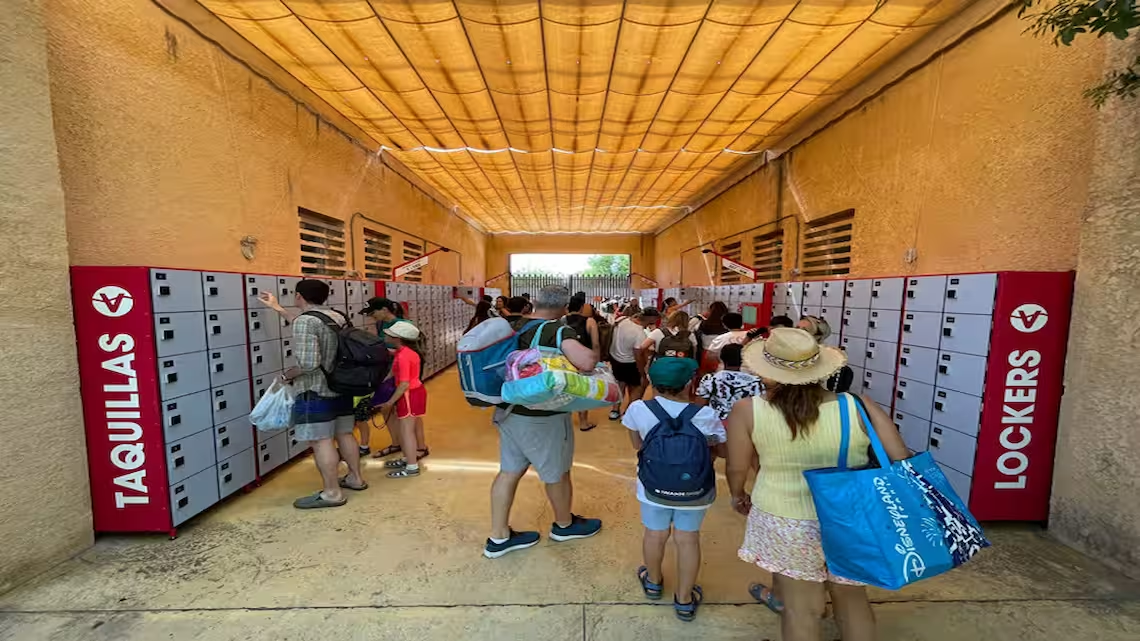
A key solution for parks, museums, and shopping centers
During peak times such as weekends, holidays, or high season, one of the biggest challenges for leisure and retail spaces is managing entrances, restricted access, and temporary storage of personal belongings. Smart Lockers provide an effective solution to reduce queues, avoid crowding, and deliver a smooth visitor experience.
How do Smart Lockers help reduce congestion?
They eliminate queues at traditional cloakrooms thanks to autonomous access via PIN or QR codes, without staff intervention. They enable fast, contactless storage in just a few seconds. They automate the distribution of temporary devices such as audio guides, VR headsets, or electronic equipment, reducing waiting times and staffing needs. They reduce congestion at secondary access points by handling prior needs like storing backpacks or personal items.
Use cases where they make a difference
Theme and water parks
Visitors use lockers to store belongings before attractions, avoiding queues in common areas and improving visitor flow.
Museums and cultural centers
They reduce entry time by avoiding waits at cloakroom counters and securely manage restricted items inside exhibition areas.
Shopping centers and large retail stores
Ideal for temporary storage while customers continue shopping.
Additional benefits of Smart Lockers
In addition to reducing queues and congestion, Smart Lockers provide operational and economic advantages for venues with high visitor flow.

Ability to monetize locker usage and generate additional revenue
Reduced workload for staff
Fast and secure access via mobile or kiosk
Higher customer satisfaction
Usage and waiting time analytics
Integration with management and reservation systems

At VACWAY we offer modular, durable, customizable lockers manufactured in Spain
Reducing queues is no longer just about adding staff—it's about implementing technology designed to improve visitor flow and comfort.